
This workshop gave a quick, practical overview of AI and Microsoft Copilot - what it…
Amotai Introduction – Supplier Diversity
Amotai Introduction – Supplier Diversity
Introduction & Kaupapa
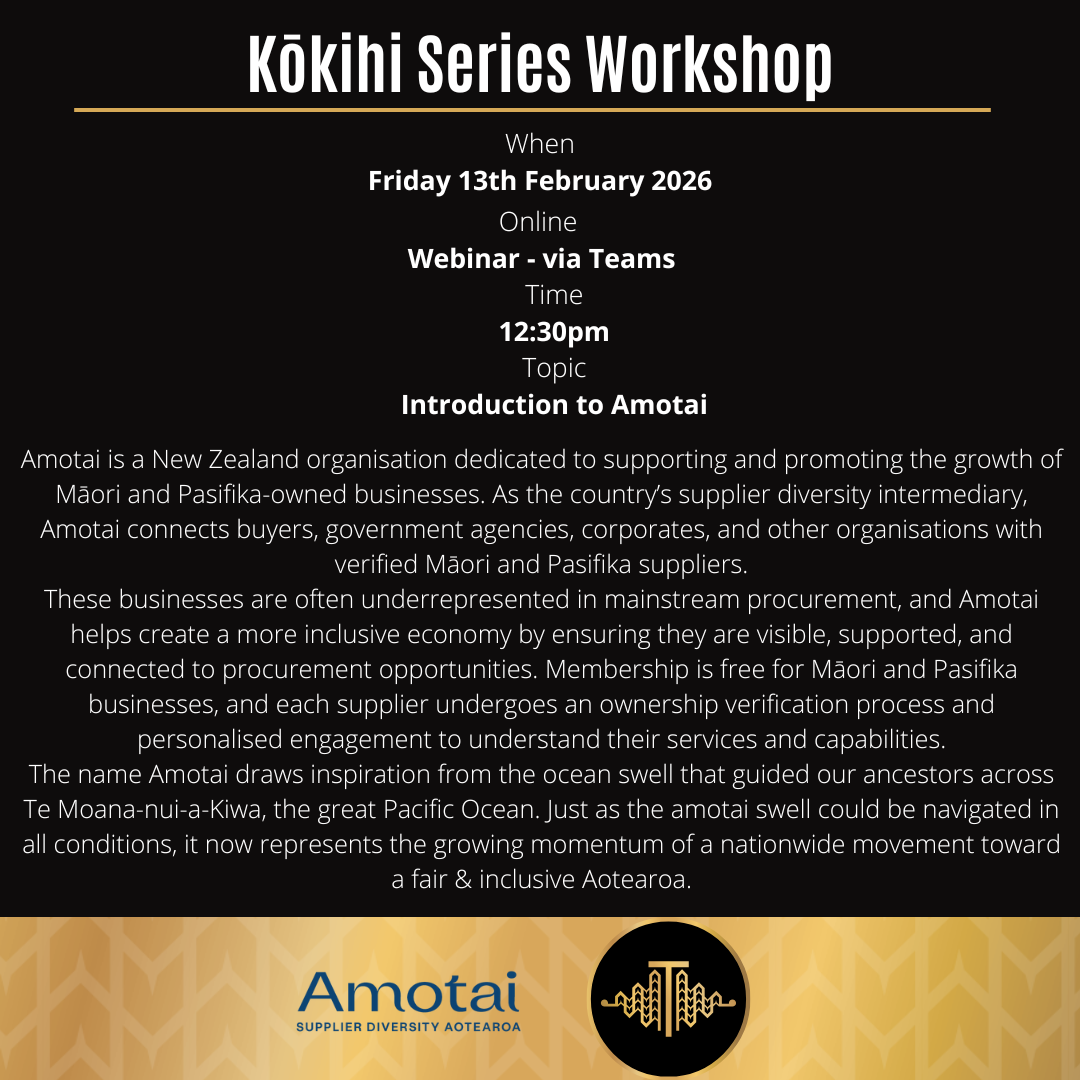
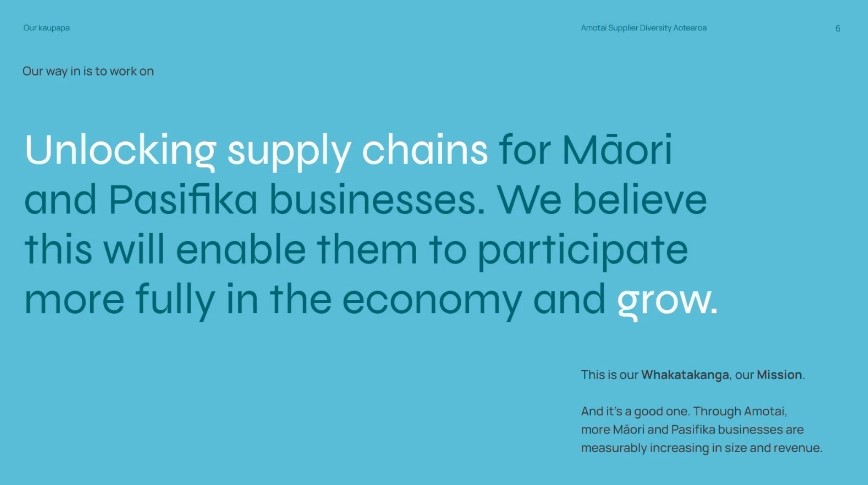
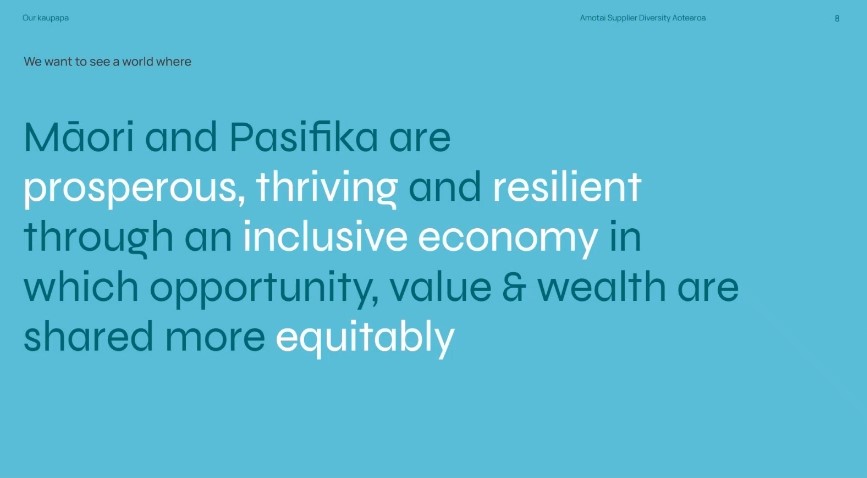
Amotai helps unlock opportunities for Māori and Pasifika businesses, ensuring they have access to procurement and supply chain activity across Aotearoa.
Amotai values
- Whakawhanaungatanga
- Mana Motuhake
- Manaakitanga
- Kairangatira
– Uplifting Māori and Pasifika economic participation
– Strengthening whānau and community wellbeing
– Ensuring fair access to procurement opportunities
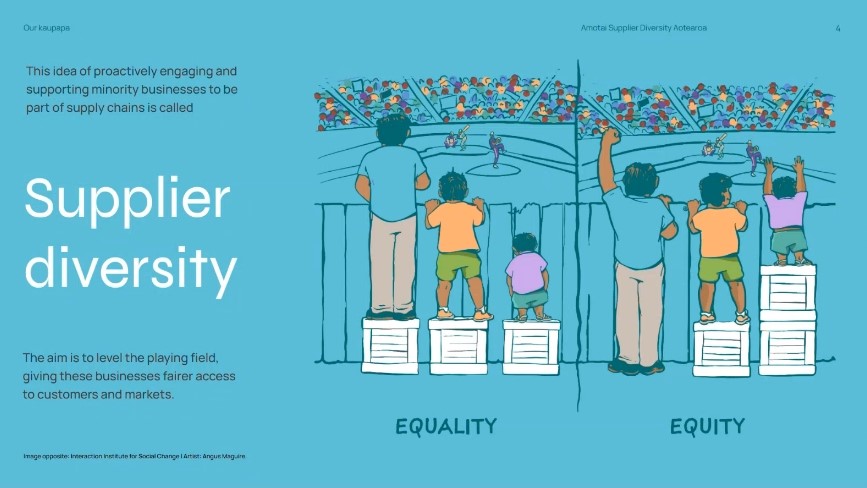
Supplier diversity is about equity, not just equality, ensuring those with fewer systemic have pathways to success.
1. Amotai Whakapapa
The movement began through the work of two mana wahine
- Anna-Jane Edwards and Tania Pouwhare, two mana wahine who explored supplier diversity overseas (2014–2015).
- Early trials were done through Auckland Council’s Southern Initiative, supporting Māori and Pasifika businesses to secure council contracts.
During COVID (around 2019–2020) this expanded into a national strategy through the Progressive Procurement Policy aiming to:
- Increase government purchasing from Māori and Pasifika businesses
- Grow capability across the ecosystem
- Build long‑term economic participation
With the outcome of stronger pathways for Māori and Pasifika suppliers to access major buying networks.
2. What is Supplier Diversity?
Supplier diversity began over 50 years ago in the US, emerging from the civil rights movement. Its goal too:
- Increase participation of minority-owned businesses in supply chains.
- Address inequity by reducing systemic barriers
- Strengthen communities through procurement-driven economic opportunity
3. Why It Matters
Māori and Pasifika are still underrepresented in:
- Business ownership
- High-value procurement
- Economic success measures
Strengthening Māori and Pasifika businesses contributes to:
- Stronger whānau and community wellbeing
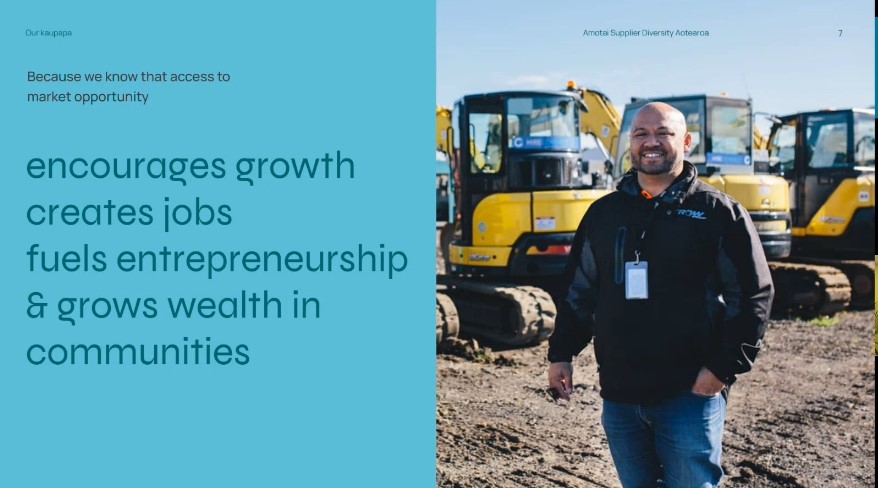
- Entrepreneurship/Employment
- Improved economic outcomes
- Reduction in negative statistics over time
Supplier diversity acts as an economic and social accelerator.
4. Amotai Programs & Activities
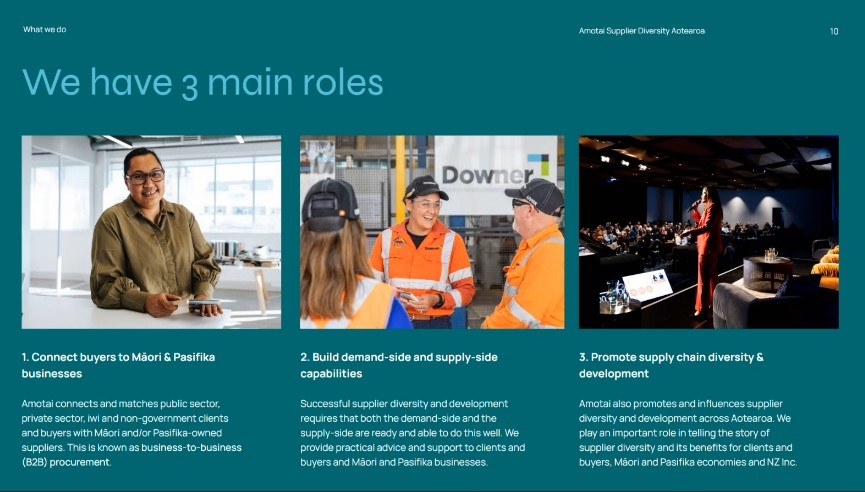
Amotai has 3 main roles
Connect
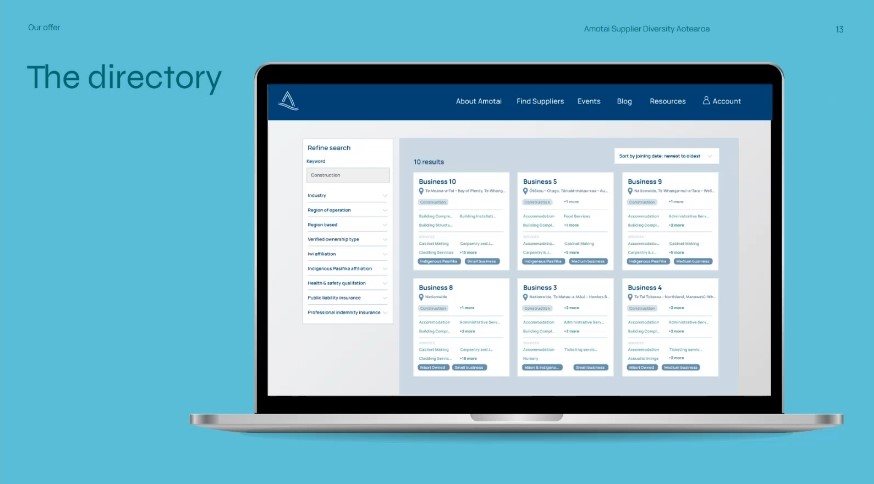
Linking buyers with verified Māori and Pasifika suppliers
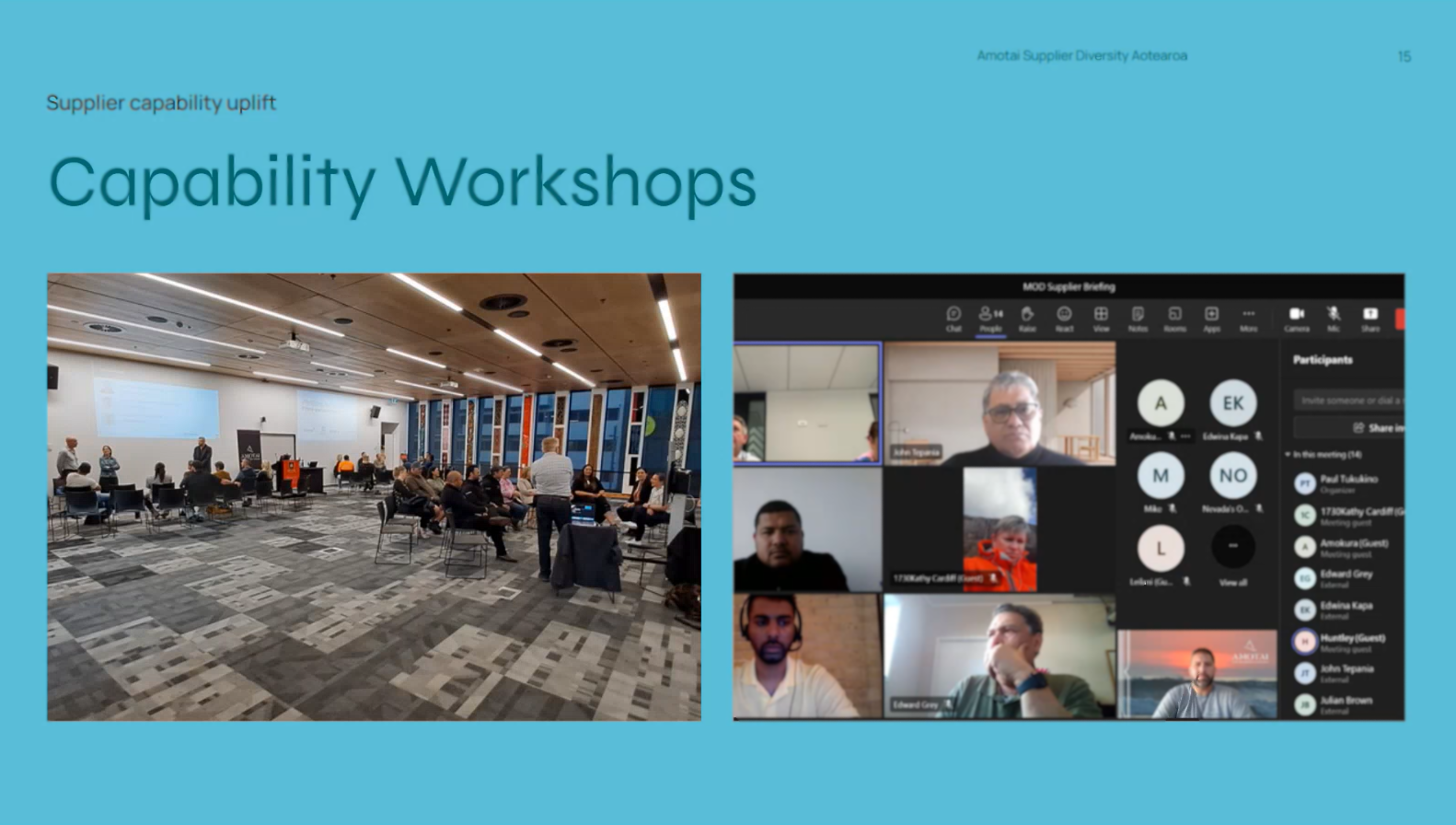
Build capability
Supporting both buyers and suppliers to engage through
- Workshops (tender writing, pricing, market positioning, procurement expectations, demand-side and supply-side capabilities).
-
Delivered with partners such as Fulton Hogan, GHD, Becker etc
- Online and in-person across NZ
Grow supplier diversity practice
Working with organisations to create long-term procurement change
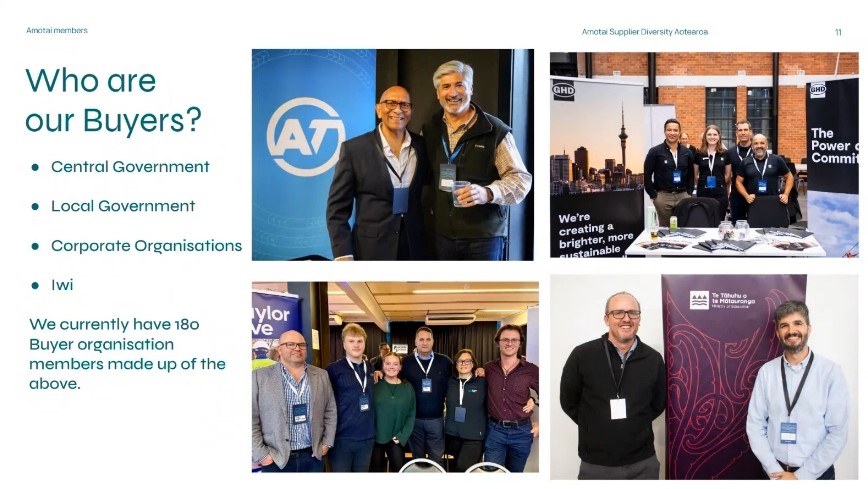
Buyers include
- Central government,
- Local government
- Corporate Organisations
- Iwi
Currently Amotai has 180 Buyer organisation members
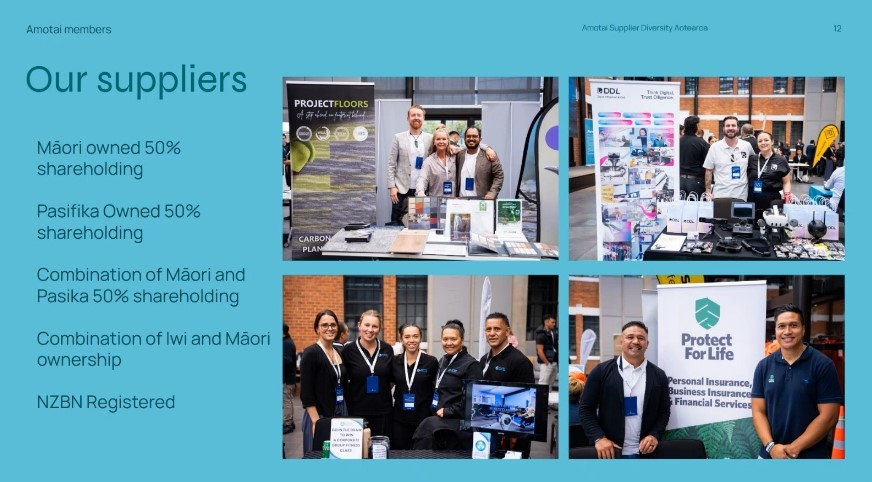
Supplier requirements
- Māori/Pasifika owned 50% or Iwi
- NZBN registered
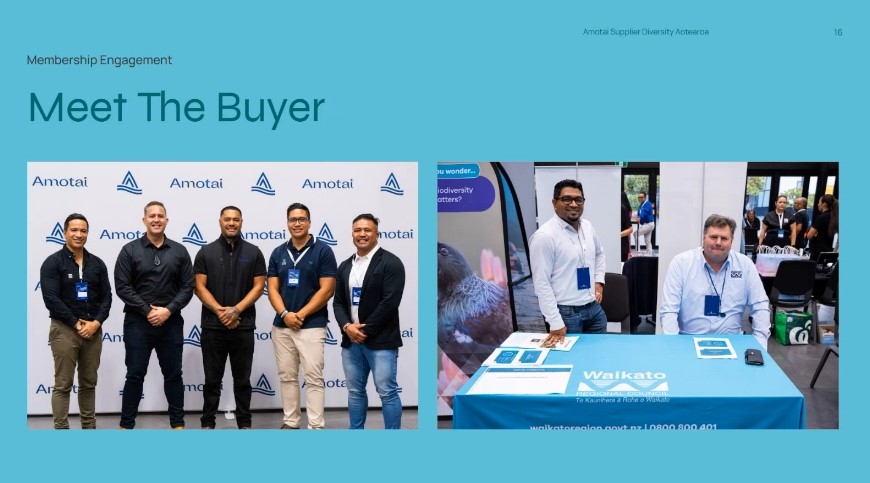
5. Networking Events / Meet the Buyer
Designed to build relationships between buyers and Māori/Pasifika suppliers
- South Island event is in Christchurch – 24 March, hosted by Ngā Hau e Whā marae
- Intention to one day establish a regional programme in Nelson.
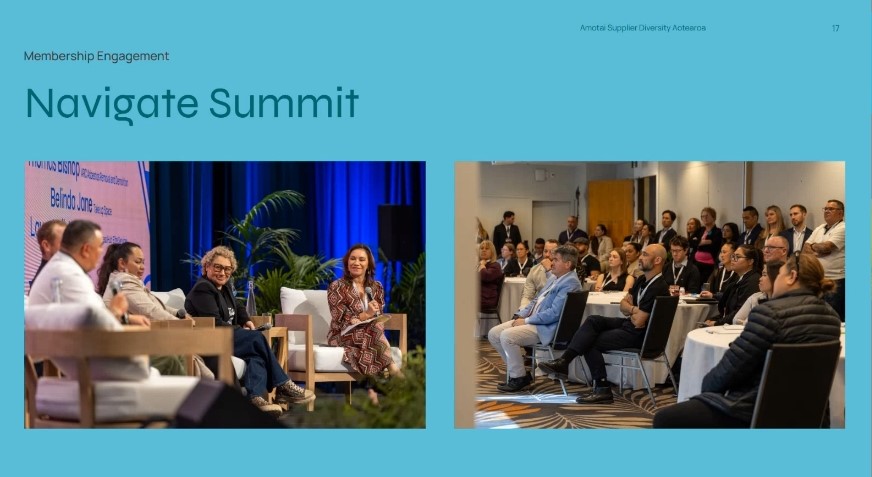
Annual Supplier Diversity Summit
- Full-day event with panels, capability sessions and guest speakers.
- Next Summit: 6 August.
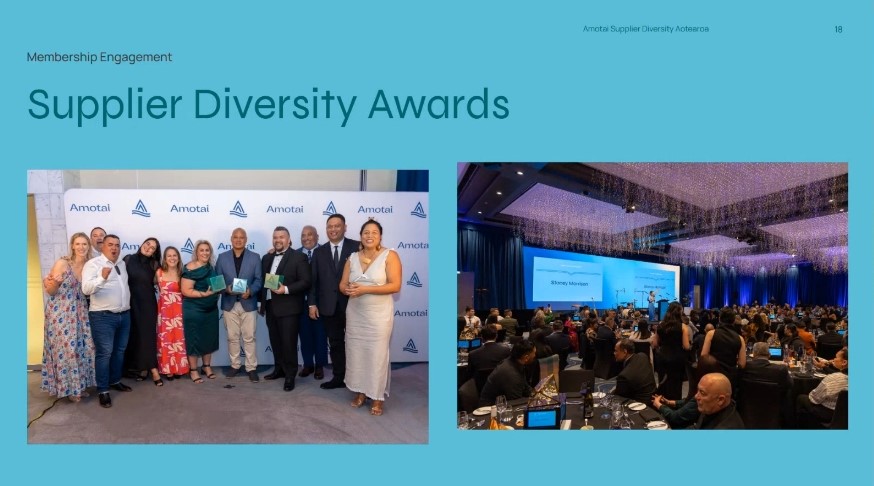
Supplier Diversity Awards / Gala
Celebrating excellence in supplier diversity.
- Categories include:
- Supplier of the Year
- Buyer of the Year
- Supplier Diversity Advocate of the year
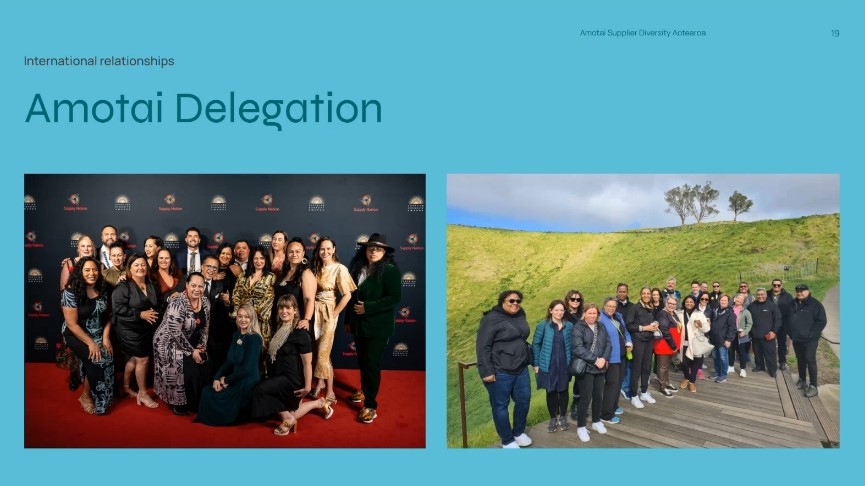
6. International Connections
Amotai is part of a global network
- USA,
- Canada
- UK
- Australia.
International categories often include indigenous, woman-owned, veteran-owned and disibilty-owned businesses. Amotai brings global expertise into Aotearoa and showcases local suppliers on the world stage.
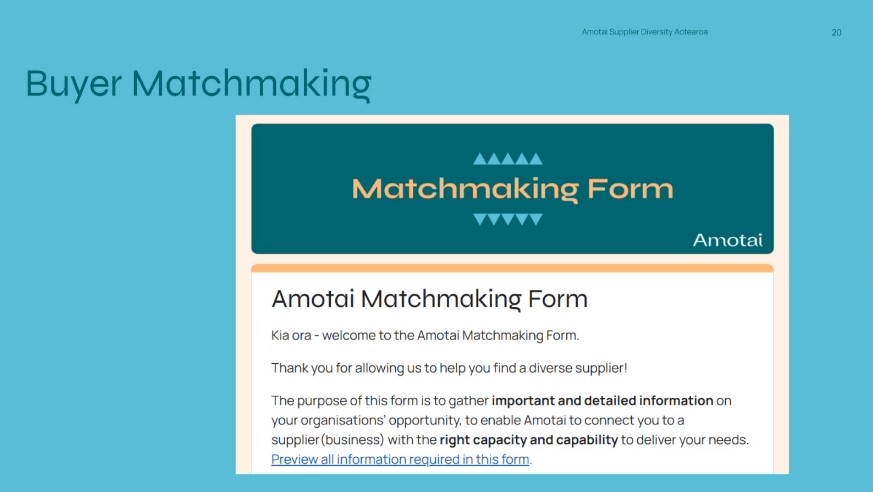
7. Matchmaking Tool
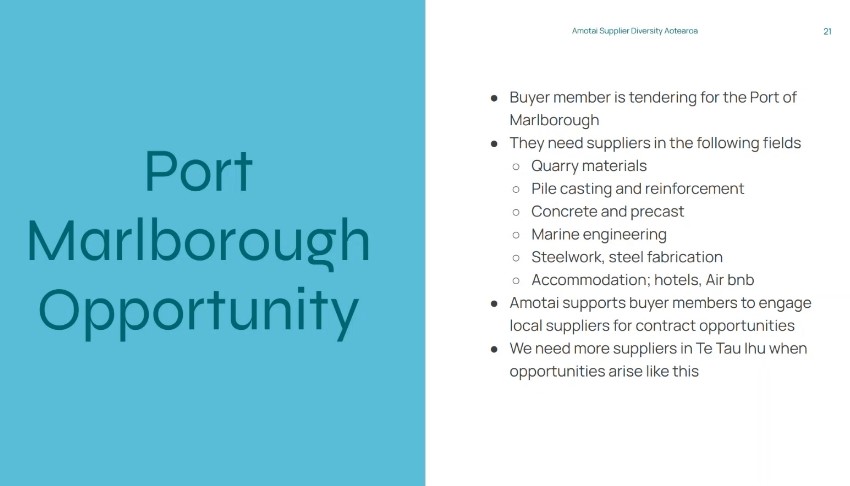
Buyers submit a procurement requirement using a matchmaking tool outlining the goods/services needed. Amotai then identifies appropriate suppliers.
- Recent example: a buyer tendering for Port Marlborough required:
- Civil works
- Vertical construction
- Marine engineering
- Concrete/precast
- Steel work
Amotai reached out Toiere to identify local Nelson Māori businesses able to respond.
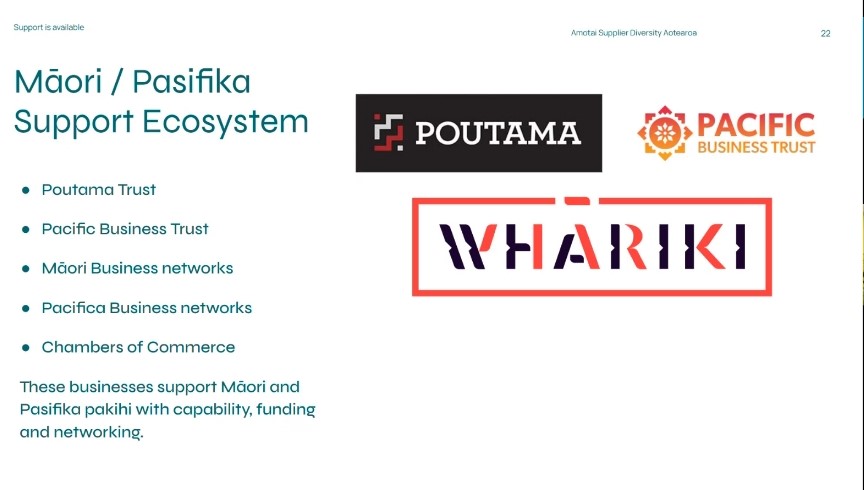
8. Part of a Wider Māori & Pasifika Support Ecosystem
Amotai is a part of a broader Māori and Pasifika business support network. They work collaboratively with:
- Regional economic agencies
- National Māori and Pasifika business support organisations
- Iwi economic development teams
- Capability and training providers.
Recognises Toiere’s ecosystem mapping as an excellent representation of the wider support network.
The goal is simple – Grow Māori business participation and success.
Related Posts